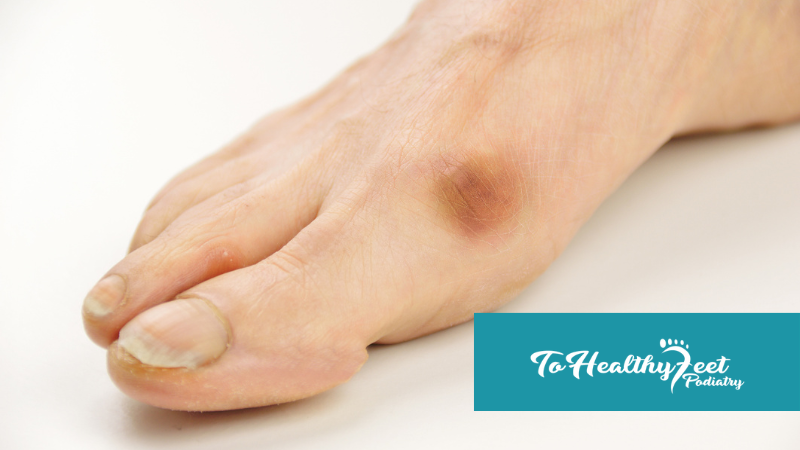
Why Treatment Approach Matters for Morton’s Neuroma
Morton’s neuroma is a nerve inflammation between the toes, most commonly between the third and fourth. Left untreated, it can progress from mild tingling to intense, stabbing pain that disrupts daily life. Choosing the right treatment early can prevent worsening symptoms and long-term damage.
At To Healthy Feet Podiatry, we believe that the best treatment is the one that fits your body and lifestyle. That’s why we start with conservative options when possible, but also offer minimally invasive procedures for faster, more permanent relief when needed. Every treatment plan is built around your unique pain level, activity demands, and medical history.
Conservative Treatment Options for Morton’s Neuroma
Our first goal is always to relieve pain with the least intervention possible. Conservative care can effectively treat early-stage or moderate neuromas. Common options include:
- Custom orthotics: Redistribute pressure and support proper foot alignment
- Footwear modifications: Wider toe boxes reduce nerve compression
- Padding or offloading: Reduces direct irritation to the neuroma
- Physical therapy: Improves biomechanics and reduces inflammation
- Anti-inflammatory medications: Help reduce nerve swelling
- Activity adjustments: Reduce high-impact or tight-shoe use
Most patients find relief within weeks to months with consistent use of these non-invasive strategies.
When Minimally Invasive Treatments Are the Better Choice
If conservative care doesn’t resolve symptoms or pain keeps worsening, we may recommend a minimally invasive option. These treatments are quick, effective, and performed in-office or on an outpatient basis:
- Ultrasound-guided alcohol injections: Help desensitize the nerve
- Nerve decompression: Releases the ligament that’s pressing on the nerve
- Neurolysis or radiofrequency ablation: Reduces nerve sensitivity by disrupting pain signals
- Cryotherapy or laser therapy: Targets the neuroma without surgery
While these are more advanced than conservative care, they’re far less invasive than full surgery, and often lead to faster recovery and long-term relief.
How To Healthy Feet Podiatry Helps You Decide
We don’t take a one-size-fits-all approach. During your consultation, we evaluate your symptoms, foot structure, activity level, and lifestyle to determine which treatment path is best. We’ll walk you through:
- The severity of your neuroma
- What treatment options you’ve tried (if any)
- Your preferences for downtime and recovery
- Your footwear and movement patterns
This personalized evaluation ensures you get relief without unnecessary intervention.
Take the First Step Toward Lasting Neuroma Relief
You don’t have to live with pain in the ball of your foot from Morton’s neuroma. Whether conservative care or a minimally invasive solution is right for you, To Healthy Feet Podiatry has the tools, expertise, and compassion to guide you toward lasting relief. With clinics in Grand Central, Downtown Manhattan, Times Square, and the Upper East Side, help is always nearby. Contact To Healthy Feet Podiatry to book your consultation and take the next step toward pain-free movement.
Frequently Asked Questions About Morton's Neuroma
Q: What Is Morton’s Neuroma?
A: Morton’s neuroma is a painful condition involving thickened tissue around the nerves in the ball of the foot, often between the third and fourth toes.
Q: What Are the Early Signs of Morton’s Neuroma?
A: You may feel tingling, burning, numbness, or the sensation of stepping on a pebble. Pain often worsens with activity or tight shoes. If you're noticing these symptoms, don't wait, contact To Healthy Feet Podiatry to schedule a consultation and get personalized relief.
Q: How Do Conservative Treatments Help Morton’s Neuroma?
A: Conservative approaches like orthotics, padding, and footwear changes relieve pressure and reduce nerve irritation without surgery.