Understanding the Immediate Postoperative Period
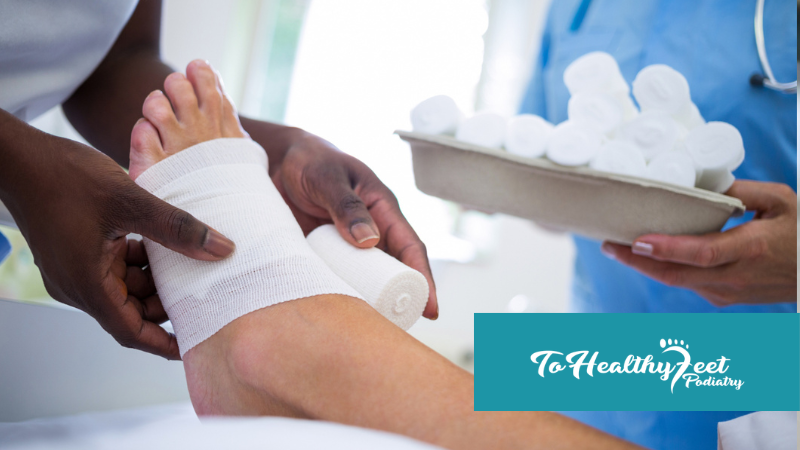
The first phase of neuroma surgery recovery focuses on controlling inflammation and protecting the surgical site. After traditional nerve excision, patients typically leave the office in a surgical shoe designed to reduce forefoot pressure. After cryosurgery recovery of the foot, protective footwear is also commonly used, though incision size and tissue disruption may differ.
During the first one to two weeks, patients may experience:
- Swelling in the ball of the foot
- Mild to moderate soreness
- Bruising around the incision area
- Temporary numbness or altered sensation
Elevation and limited activity are important during this stage. In New York City, where walking is often unavoidable, structured planning for transportation and daily mobility can make early recovery more manageable.
Differences Between Traditional Neuroma Excision and Cryosurgery Recovery
Neuroma excision involves removing the affected nerve segment. Because the nerve is excised, some degree of permanent numbness between the toes is expected. Swelling may persist for several weeks, and incision healing must be monitored carefully.
Cryosurgery recovery of the foot differs in several ways:
- Smaller incision
- No removal of the nerve
- Targeted cold therapy to interrupt pain signaling
- Potentially less soft tissue disruption
Although cryosurgery may involve less tissue dissection, nerve recovery still requires time. Temporary numbness, tingling, or fluctuating sensitivity can occur as the treated nerve responds.
At To Healthy Feet Podiatry, patients are counseled on realistic differences between procedures before surgery is performed. Recovery expectations are aligned with the chosen technique.
Swelling and Sensation Changes
Swelling is one of the most common aspects of neuroma surgery recovery. Even after sutures are removed, residual forefoot swelling can last several months. This does not necessarily indicate a complication. The forefoot bears significant pressure during walking, and inflammation gradually resolves over time.
Patients may notice:
- Sensitivity when transitioning back to regular shoes
- Mild discomfort after long periods of standing
- Intermittent tingling
- Temporary firmness near the surgical site
Gradual return to supportive footwear is encouraged. Tight shoes or high heels should be avoided during early recovery to reduce pressure on the healing area.
For Manhattan patients who commute daily, pacing activity during this stage is essential to prevent prolonged swelling.
Walking and Return to Activity
Most patients are permitted protected weight-bearing soon after surgery. However, walking tolerance increases gradually. Early walking should be limited to necessary movement, with progressive increases as comfort allows.
General recovery milestones may include:
- Surgical shoe use for several weeks
- Gradual return to sneakers or supportive footwear
- Light activity before high-impact exercise
- Delayed return to running or prolonged standing
Return to work timelines depend on occupation. Sedentary roles may resume earlier than jobs requiring prolonged standing or walking.
To Healthy Feet Podiatry tailors recovery plans to each patient’s daily demands, particularly for those navigating stairs, subways, or extended walking throughout NYC.
Long-Term Healing and Scar Management
Incision healing typically occurs within several weeks, but internal tissue remodeling continues beyond that period. After neuroma excision, the nerve end adapts over time. After cryosurgery, the treated nerve gradually stabilizes following cold application.
Scar management may involve:
- Gentle massage after incision healing
- Supportive footwear
- Avoidance of direct pressure during early phases
Cosmetic concerns are addressed during follow-up visits. Incision size varies depending on the procedure performed, but scar maturation continues for several months.
Monitoring for Complications
While most recoveries proceed without major issues, patients are advised to report:
- Increasing redness or warmth
- Persistent drainage
- Escalating pain
- Signs of infection
At To Healthy Feet Podiatry, structured follow-up appointments ensure that healing progresses appropriately. Imaging may be recommended if symptoms persist beyond expected recovery windows.
Proper diagnosis prior to surgery reduces the risk of incomplete symptom relief. Accurate identification of Morton’s neuroma remains critical to successful outcome.
Biomechanics and Preventing Recurrence
Surgery addresses nerve pain, but underlying forefoot mechanics may still require management. Orthotics or footwear modifications may be recommended to redistribute pressure across the metatarsals.
Long-term strategies may include:
- Custom orthotics
- Shoe gear adjustments
- Avoidance of narrow toe boxes
- Gradual return to high-impact activity
Recovery does not end when incisions heal. Maintaining proper load distribution supports lasting symptom relief.
Patients receiving care at To Healthy Feet Podiatry across Grand Central Midtown, Downtown Manhattan, Upper East Side, and Times Square receive comprehensive postoperative guidance tailored to their lifestyle and foot structure.
Moving Forward After Neuroma Treatment
Neuroma surgery recovery and cryosurgery recovery of the foot both require patience and realistic expectations. While some patients experience early relief, full tissue recovery develops gradually. Structured aftercare, activity pacing, and footwear planning support stable outcomes.
Understanding each phase of healing reduces anxiety and helps patients participate actively in recovery. If you are considering Morton’s neuroma surgery or cryosurgery in NYC, schedule a consultation with To Healthy Feet Podiatry at any of our four locations in Grand Central Midtown, Downtown Manhattan, Upper East Side, and Times Square to discuss personalized recovery planning and treatment options.
Frequently Asked Questions About Morton’s Neuroma Surgery
Q: How long does neuroma surgery recovery take?
A: Initial healing after neuroma excision typically occurs within several weeks, but swelling and sensitivity may persist for several months. Walking progression is gradual, and full return to high-impact activity may take longer depending on individual healing patterns and job demands.
Q: Is cryosurgery recovery faster than traditional neuroma surgery?
A: Cryosurgery may involve less soft tissue disruption because the nerve is not removed. However, nerve response and swelling still require time to settle. While some patients experience quicker comfort improvement, recovery timelines vary based on symptom severity and foot mechanics.
Q: When can I return to normal shoes after neuroma treatment?
A: Most patients transition back to supportive footwear several weeks after surgery. Tight or narrow shoes should be avoided during early healing. Your podiatrist will guide the timing based on swelling, comfort, and activity tolerance.