Dr.Artis was so amazing. After going to two other podiatrists who gave me no support or hope, Dr. artis made me feel like there can be change for me. She was so patient, kind and informative. I’m actually excited to go back and get my results.

Bone spurs are abnormal bony growths that develop along the edges of bones, often in areas exposed to repeated pressure, friction, or joint stress. Bone spurs can form on the top of the foot, around the toes, or at the bottom of the heel. Heel spurs commonly develop due to chronic tension and pulling on the plantar fascia, the connective tissue that runs from the heel to the toes.
Bone spurs are frequently associated with arthritis, repetitive stress, abnormal foot mechanics, or long-term strain on the joints and soft tissues of the foot. While some bone spurs cause no symptoms, others may lead to pain, pressure, inflammation, and difficulty wearing shoes or walking comfortably.
Treatment for bone spurs depends on the size, location, and severity of symptoms. Our foot doctors focus on reducing pressure on the affected area, improving joint movement, and relieving inflammation and discomfort. Conservative treatment is often successful in managing symptoms and preventing worsening irritation.
Depending on your condition, treatment may include rest, ice therapy, stretching exercises, anti-inflammatory medications, supportive footwear, orthotics, physical therapy, and activity modification. For heel spurs, stretching exercises are particularly effective because they help reduce tension on the plantar fascia and surrounding tissues.
Proper diagnosis is important to determine the exact location and extent of the bone spur. During your evaluation, digital imaging such as X-rays may be used to assess the affected area and develop the most appropriate treatment plan.
For patients experiencing severe pain or persistent symptoms that do not improve with conservative treatment, surgical removal of the bone spur may be recommended. Minimally invasive microsurgery techniques may be used to remove painful bone spurs through tiny incisions with reduced recovery time and minimal tissue disruption.
For persistent or severe cases, surgical removal of the bone spur may be necessary. Microsurgical techniques allow our foot doctors to remove painful spurs using tiny incisions and specialized instruments while minimizing recovery time and discomfort.
With proper treatment, most patients experience significant relief from pain, improved mobility, and better overall foot function.
Reducing pressure on the affected area through rest, icing, and limiting aggravating activities can help decrease pain, inflammation, and irritation caused by bone spurs.
Stretching exercises are especially beneficial for heel spurs because they reduce tension on the plantar fascia and improve flexibility. Physical therapy may also help improve range of motion, reduce discomfort, and strengthen supporting muscles and tendons.
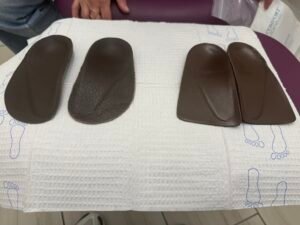
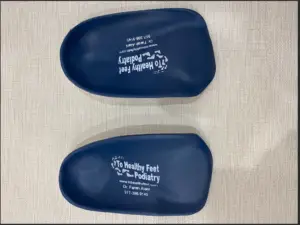
Custom orthotics and supportive shoes help redistribute pressure across the foot, reduce strain on affected joints, and improve overall foot alignment to minimize pain caused by bone spurs.
Anti-inflammatory medications such as ibuprofen may be recommended to reduce swelling, inflammation, and discomfort associated with irritated bone spurs.
Recovery time depends on the location and severity of the bone spur as well as the type of treatment required. Mild cases often improve with conservative care over several weeks, while surgical recovery may require additional healing and rehabilitation time.
Patients are encouraged to follow footwear recommendations and stretching routines to reduce recurrence and maintain long-term comfort.
If you are suffering from pain or discomfort caused by bone spurs or any other foot and ankle condition, our experienced New York foot doctors are here to provide expert care and personalized treatment solutions.
Serving Midtown and Downtown Manhattan, we are committed to helping you return to healthy, comfortable, and active living as quickly as possible. Call us at 917-398-3668 or book an appointment online.

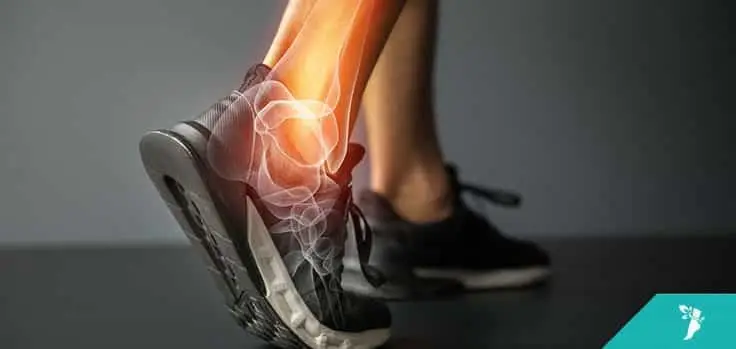
Sometimes scar tissue builds up in a tendon and causes the tendon to lose its elasticity. At that point, chronic Achilles tendinitis can be treated by removing the scar tissue using a minimally invasive procedure like Tenex. This uses a wand that transmits ultrasonic energy to break through the scar tissue leaving healthy tissue behind. Downtime is minimal and return to normal activity is about a week.
Grab a resistance band (or even a stretchy t-shirt)! Place the band or shirt around the ball of your foot. Pull the two ends of the band or shirt towards you until you feel a nice stretch in the back of your leg. Hold this stretch for 30 seconds, and relax for 10 seconds. Repeat this 5-10 times for both legs!
Achilles tendonitis rarely requires surgery. However, if treatment is delayed or neglected, there could be further damage such as a tendon tear. This would require surgical repair, and although we can do this with minimally invasive techniques, it is better to prevent damage when possible. Don’t ignore your pain. See your podiatrist as soon as possible.
By accurately diagnosing, treating, and preventing lower leg, foot, and ankle conditions and ailments, we get you on your way back to healthy feet! We use conservative care and only activate surgeries when absolutely necessary. Here are some of the foot and ankle conditions we treat. Get that peace of mind, and reach out and book an appointment with us today!
TESTIMONIAL
Dr.Artis was so amazing. After going to two other podiatrists who gave me no support or hope, Dr. artis made me feel like there can be change for me. She was so patient, kind and informative. I’m actually excited to go back and get my results.
Everyone was super friendly. Doctor Rick’s explained everything thoroughly.
Dr Bell was incredibly thorough and personable. Gave me great information and useful information for my next steps. A great experience!
“Fast, professional, and very clean office. I was checked in and seen within 10 minutes of my scheduled time. Dr. Ricks was straight to the point but thorough. The front desk staff was also incredibly helpful.
All of the staff are super welcoming and professional! Bianca took excellent care in getting my X-rays. Dr. Ricks was thorough in explaining my diagnosis and next steps. Highly recommended!!
Well before I came in today to see Dr. Ricks my foot in pain was 9/10 and now I feel good 🙏🏿🤩 thanks
Our award-winning podiatrists at 4 Manhattan locations treat every condition — from heel pain to minimally invasive surgery — with care plans built around your lifestyle and budget.
Available at all 4 NYC locations
Walk in, walk out — no general anesthesia
We handle the billing so you don't have to
As seen in Forbes & InStyle Magazine