Dr.Artis was so amazing. After going to two other podiatrists who gave me no support or hope, Dr. artis made me feel like there can be change for me. She was so patient, kind and informative. I’m actually excited to go back and get my results.

In patients with diabetes, peripheral neuropathy, or peripheral vascular disease, corns and calluses represent a meaningful clinical risk rather than a simple nuisance. The combination of reduced protective sensation, impaired healing capacity, and altered immune response means that a plantar callus generating sublesional pressure, or a corn that breaks down, can initiate a wound pathway that progresses to ulceration and in severe cases, to limb-threatening infection without the pain signals that would alert a non-diabetic patient. At Healthy Feet Podiatry, our NYC podiatrists provide diabetic corn and callus care that is calibrated to each patient’s neuropathic and vascular status, with the goal of preventing ulceration before it occurs.
The diabetic foot’s vulnerability to corn and callus complications is mechanistic. Peripheral neuropathy eliminates or reduces the pain feedback that normally limits weight-bearing on a sensitive site and prompts early treatment-seeking. Motor neuropathy progressively alters foot structure causing digital contractures, intrinsic muscle atrophy, and metatarsal prominence creating new pressure points that accelerate callus formation at high-risk locations. Autonomic neuropathy reduces plantar sweat gland function, producing skin dryness that makes calluses more prone to fissuring and cracking. Peripheral vascular disease reduces healing capacity at sites where skin breakdown occurs. Plantar calluses in diabetic patients generate localized pressure peaks documented by pressure mapping studies to exceed normal tissue tolerance thresholds producing sublesional tissue injury that progresses silently to ulceration beneath an intact but thin callus surface.
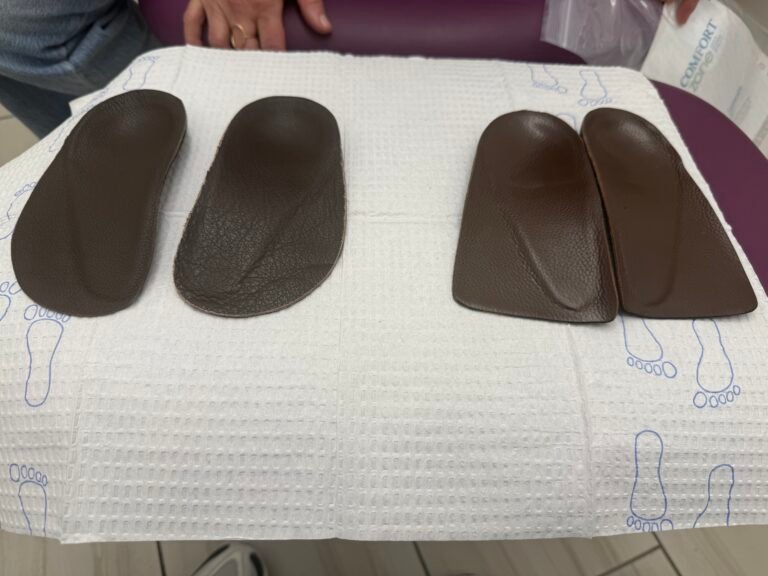
Diabetic corn and callus care at Healthy Feet Podiatry follows a structured protocol calibrated to patient risk. Professional debridement on a schedule determined by neuropathic and vascular status keeps callus thickness below the threshold associated with sublesional injury. Custom diabetic orthotics and extra-depth footwear redistribute plantar load away from high-risk metatarsal and digital pressure points. Skin care protocols address fissuring risk at the heel and forefoot. Risk-stratified monitoring schedules from quarterly for low-risk patients to monthly or more frequent for those with neuropathy, prior ulceration, or vascular compromise ensure that developing lesions are identified and treated before they progress. We do not recommend OTC acid-based corn products, salicylic acid pads, or home blade debridement for any diabetic patient, as the tissue injury risk in the presence of neuropathy is clinically unacceptable.

TESTIMONIAL
Dr.Artis was so amazing. After going to two other podiatrists who gave me no support or hope, Dr. artis made me feel like there can be change for me. She was so patient, kind and informative. I’m actually excited to go back and get my results.
Everyone was super friendly. Doctor Rick’s explained everything thoroughly.
Dr Bell was incredibly thorough and personable. Gave me great information and useful information for my next steps. A great experience!
“Fast, professional, and very clean office. I was checked in and seen within 10 minutes of my scheduled time. Dr. Ricks was straight to the point but thorough. The front desk staff was also incredibly helpful.
All of the staff are super welcoming and professional! Bianca took excellent care in getting my X-rays. Dr. Ricks was thorough in explaining my diagnosis and next steps. Highly recommended!!
Well before I came in today to see Dr. Ricks my foot in pain was 9/10 and now I feel good 🙏🏿🤩 thanks
Behind every great care experience is a team that truly listens. Our doctors are committed to understanding your needs, delivering personalized treatment, and supporting you every step of your health journey.

Dr. Farah Alani is a New York City foot and ankle surgeon at To Healthy Feet Podiatry, a boutique podiatry practice located in the heart…

Dr. Alison Bell was born in Manhattan and is a Public Health graduate of Charles R. Drew University. She obtained her medical degree from Kent…

Dr. Roxann Clarke is a graduate of Hampton University in Virginia, where she obtained her Bachelor of Science in Biology and her Master of Science…

Dr. Ricks is a board-certified fellowship-trained podiatric surgeon committed to delivering top-tier foot and ankle care. From New Jersey, she a Bachelor’s in…

As the Chief Operating Officer of To Healthy Feet Podiatry, Tiffany provides leadership to ensure all administrative are producing optimal results. Dr….
Our award-winning podiatrists at 4 Manhattan locations treat every condition — from heel pain to minimally invasive surgery — with care plans built around your lifestyle and budget.
Available at all 4 NYC locations
Walk in, walk out — no general anesthesia
We handle the billing so you don't have to
As seen in Forbes & InStyle Magazine