Dr.Artis was so amazing. After going to two other podiatrists who gave me no support or hope, Dr. artis made me feel like there can be change for me. She was so patient, kind and informative. I’m actually excited to go back and get my results.

Home management of foot calluses is appropriate for a specific and well-defined subset of patients: non-diabetic individuals without peripheral vascular disease, managing mild to moderate plantar calluses that are not painful, not rapidly growing, and not causing skin breakdown. For this group, a consistent home care routine can maintain calluses at a manageable level between professional visits. For everyone else including all diabetic patients, patients with poor circulation, and anyone managing a callus that is painful, cracking, bleeding, or returning rapidly despite home treatment professional podiatric evaluation is the correct first step, not a last resort.
Effective home callus care for appropriate candidates involves a small number of evidence-supported interventions applied consistently. Foot soaking in warm water for 10 to 15 minutes softens the hyperkeratotic stratum corneum and prepares the callus for mechanical reduction. Gentle pumice stone or foot file reduction of the softened callus surface never cutting or shaving, which carries infection risk removes superficial bulk without traumatizing underlying tissue. Urea-based emollient creams at 20 to 40 percent concentration, applied nightly under a moisture-retaining sock, progressively soften callus texture and reduce thickness over weeks of consistent use. Footwear modification addressing the narrow toe boxes, inadequate cushioning, and heel elevation that drive plantar forefoot callus formation removes the mechanical input at the source and is the step most home-treaters skip, which is why their calluses return despite otherwise consistent self-care.
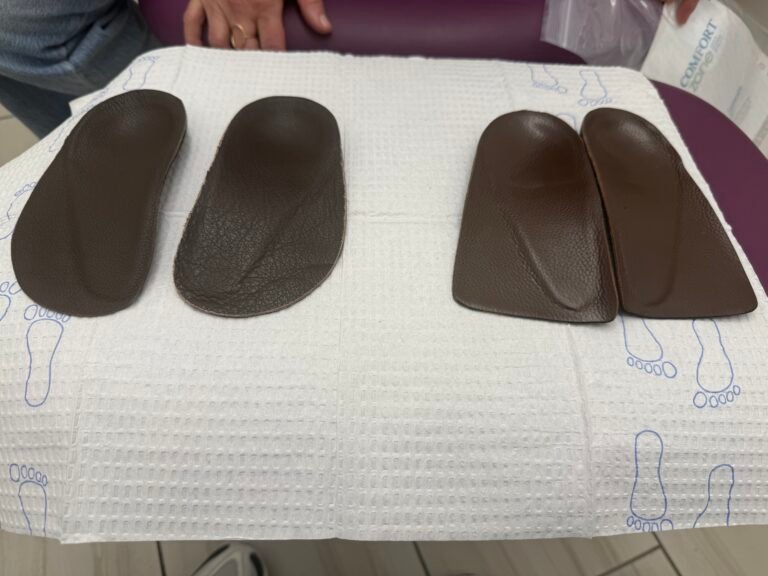
Effective home callus care for appropriate candidates involves a small number of evidence-supported interventions applied consistently. Foot soaking in warm water for 10 to 15 minutes softens the hyperkeratotic stratum corneum and prepares the callus for mechanical reduction. Gentle pumice stone or foot file reduction of the softened callus surface never cutting or shaving, which carries infection risk removes superficial bulk without traumatizing underlying tissue. Urea-based emollient creams at 20 to 40 percent concentration, applied nightly under a moisture-retaining sock, progressively soften callus texture and reduce thickness over weeks of consistent use. Footwear modification addressing the narrow toe boxes, inadequate cushioning, and heel elevation that drive plantar forefoot callus formation removes the mechanical input at the source and is the step most home-treaters skip, which is why their calluses return despite otherwise consistent self-care.

TESTIMONIAL
Dr.Artis was so amazing. After going to two other podiatrists who gave me no support or hope, Dr. artis made me feel like there can be change for me. She was so patient, kind and informative. I’m actually excited to go back and get my results.
Everyone was super friendly. Doctor Rick’s explained everything thoroughly.
Dr Bell was incredibly thorough and personable. Gave me great information and useful information for my next steps. A great experience!
“Fast, professional, and very clean office. I was checked in and seen within 10 minutes of my scheduled time. Dr. Ricks was straight to the point but thorough. The front desk staff was also incredibly helpful.
All of the staff are super welcoming and professional! Bianca took excellent care in getting my X-rays. Dr. Ricks was thorough in explaining my diagnosis and next steps. Highly recommended!!
Well before I came in today to see Dr. Ricks my foot in pain was 9/10 and now I feel good 🙏🏿🤩 thanks
Behind every great care experience is a team that truly listens. Our doctors are committed to understanding your needs, delivering personalized treatment, and supporting you every step of your health journey.

Dr. Farah Alani is a New York City foot and ankle surgeon at To Healthy Feet Podiatry, a boutique podiatry practice located in the heart…

Dr. Alison Bell was born in Manhattan and is a Public Health graduate of Charles R. Drew University. She obtained her medical degree from Kent…

Dr. Roxann Clarke is a graduate of Hampton University in Virginia, where she obtained her Bachelor of Science in Biology and her Master of Science…

Dr. Ricks is a board-certified fellowship-trained podiatric surgeon committed to delivering top-tier foot and ankle care. From New Jersey, she a Bachelor’s in…

As the Chief Operating Officer of To Healthy Feet Podiatry, Tiffany provides leadership to ensure all administrative are producing optimal results. Dr….
Our award-winning podiatrists at 4 Manhattan locations treat every condition — from heel pain to minimally invasive surgery — with care plans built around your lifestyle and budget.
Available at all 4 NYC locations
Walk in, walk out — no general anesthesia
We handle the billing so you don't have to
As seen in Forbes & InStyle Magazine