
Plantar fasciitis is one of the most common causes of heel pain, and it can hit fast, especially if you’re on your feet all day in a city like New York. Ignoring the symptoms only makes it worse. At To Healthy Feet Podiatry, our team of expert NYC podiatrists offers advanced, non-surgical solutions to help you walk without pain. From custom orthotics and shockwave therapy to gait analysis and regenerative medicine, we treat the source, not just the symptoms. With four convenient locations across Manhattan, we make it easy to get the heel pain relief you need.
Contact To Healthy Feet Podiatry today to schedule your personalized heel pain consultation.
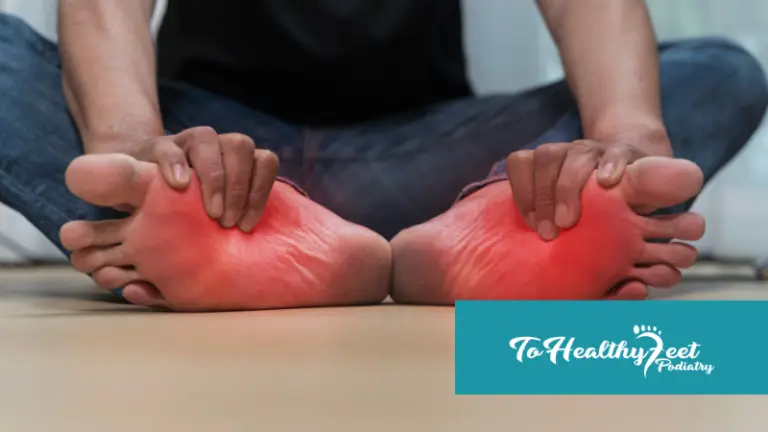
Plantar fasciitis is one of the most common causes of chronic heel pain. The condition develops when the plantar fascia, a thick band of connective tissue that runs from the heel bone to the toes, becomes irritated and inflamed. This structure plays a critical role in supporting the arch of the foot and absorbing forces generated during walking and standing.
Patients with plantar fasciitis often experience a sharp or stabbing pain at the bottom of the heel, particularly during the first steps in the morning or after long periods of rest. Symptoms may improve temporarily as the foot warms up, but often return after prolonged activity or standing.
Without proper treatment, inflammation can become chronic and lead to compensatory walking patterns that place additional stress on other parts of the body. Early diagnosis helps prevent progression and allows for more effective conservative treatment options.
Plantar fasciitis is often caused by repetitive stress placed on the plantar fascia over time. Factors such as prolonged standing, excessive walking, sudden increases in activity, poor footwear choices, and abnormal foot mechanics can all contribute to the development of heel pain.
Individuals who spend long hours on hard surfaces are particularly susceptible. Healthcare professionals, teachers, retail employees, hospitality workers, and active commuters frequently place repetitive strain on the plantar fascia throughout the day. Athletes and fitness enthusiasts may also develop symptoms after increasing training intensity or changing exercise routines.
Identifying the underlying cause of heel pain is one of the most important aspects of treatment. Addressing biomechanical factors helps reduce strain on the plantar fascia and lowers the likelihood of recurring symptoms.
Plantar fasciitis is often caused by repetitive stress placed on the plantar fascia over time. Factors such as prolonged standing, excessive walking, sudden increases in activity, poor footwear choices, and abnormal foot mechanics can all contribute to the development of heel pain.
Individuals who spend long hours on hard surfaces are particularly susceptible. Healthcare professionals, teachers, retail employees, hospitality workers, and active commuters frequently place repetitive strain on the plantar fascia throughout the day. Athletes and fitness enthusiasts may also develop symptoms after increasing training intensity or changing exercise routines.
Identifying the underlying cause of heel pain is one of the most important aspects of treatment. Addressing biomechanical factors helps reduce strain on the plantar fascia and lowers the likelihood of recurring symptoms.
Custom orthotics are one of the most effective conservative treatments for plantar fasciitis. These prescription devices are designed specifically for the patient’s foot structure and help improve alignment while reducing strain on the plantar fascia.
By supporting the arch and redistributing pressure more evenly throughout the foot, orthotics decrease repetitive stress during walking and standing. Patients with flat feet, high arches, or abnormal gait mechanics often experience significant improvement when custom support is incorporated into their treatment plan.
In addition to reducing pain, orthotics help improve overall foot function and may prevent future flare-ups by addressing the biomechanical issues that contributed to the condition.
With four foot offices to serve you better, visit us at Grand Central, Downtown Manhattan, Upper East Side, or Times Square. Take the step towards healthy feet and book today!

Why Location Matters When Considering Foot Surgery Surgical decision-making involves more than selecting a…

Surgery Is Structural, Not Cosmetic Many patients underestimate the complexity of foot surgery. Procedures such…

What Is Minimally Invasive Foot Surgery? Minimally invasive foot surgery involves correcting structural…
Our award-winning podiatrists at 4 Manhattan locations treat every condition — from heel pain to minimally invasive surgery — with care plans built around your lifestyle and budget.
Available at all 4 NYC locations
Walk in, walk out — no general anesthesia
We handle the billing so you don't have to
As seen in Forbes & InStyle Magazine