
Foot pain can interrupt your day, limit your mobility, and hold you back from staying active. At To Healthy Feet Podiatry, we offer regenerative treatments like Platelet-Rich Plasma (PRP) therapy to help patients heal naturally and avoid surgery. These advanced options tap into your body’s own repair mechanisms to treat conditions like plantar fasciitis, Achilles tendinopathy, and more. With four convenient locations across NYC—including Grand Central, Times Square, Downtown, and the Upper East Side—we make it easier than ever to access innovative care. If you’re struggling with chronic foot pain, contact To Healthy Feet Podiatry to find out if PRP or regenerative treatment is right for you.
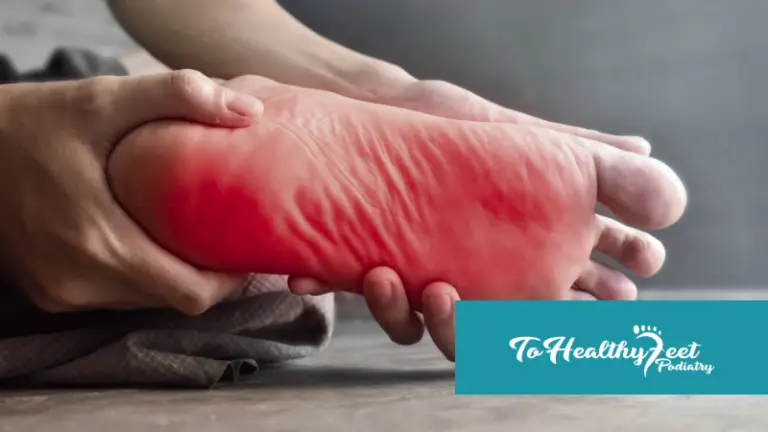
Platelet-Rich Plasma, commonly known as PRP, is a regenerative treatment that uses concentrated platelets derived from a patient’s own blood. Platelets contain powerful growth factors that play an important role in tissue repair, inflammation control, and collagen production. By concentrating these healing components and delivering them directly to injured tissue, PRP helps stimulate the body’s natural recovery process.
The procedure begins with a simple blood draw. The blood sample is then placed in a centrifuge, which separates and concentrates the platelet-rich portion. Once prepared, the PRP solution is carefully injected into the targeted treatment area using precise clinical techniques.
Because PRP is created from the patient’s own blood, the treatment avoids synthetic medications and significantly reduces the risk of adverse reactions. The goal is not simply temporary pain relief but the promotion of actual tissue healing and regeneration.
Many chronic foot and ankle conditions develop because damaged tissue is unable to heal effectively on its own. Tendons, ligaments, and fascia often receive limited blood supply, making recovery slower and increasing the likelihood of persistent inflammation. PRP addresses this challenge by delivering a concentrated dose of healing factors directly to the injured tissue.
Once injected, platelets release proteins and growth factors that stimulate cellular repair, improve blood flow, encourage collagen production, and support the regeneration of healthy tissue. These biological processes help reduce inflammation while promoting stronger structural healing over time.
Unlike corticosteroid injections, which primarily focus on suppressing inflammation, PRP is designed to encourage long-term recovery by addressing the underlying tissue damage contributing to pain and dysfunction.
Many chronic foot and ankle conditions develop because damaged tissue is unable to heal effectively on its own. Tendons, ligaments, and fascia often receive limited blood supply, making recovery slower and increasing the likelihood of persistent inflammation. PRP addresses this challenge by delivering a concentrated dose of healing factors directly to the injured tissue.
Once injected, platelets release proteins and growth factors that stimulate cellular repair, improve blood flow, encourage collagen production, and support the regeneration of healthy tissue. These biological processes help reduce inflammation while promoting stronger structural healing over time.
Unlike corticosteroid injections, which primarily focus on suppressing inflammation, PRP is designed to encourage long-term recovery by addressing the underlying tissue damage contributing to pain and dysfunction.
The PRP procedure is straightforward and typically completed during a single office visit. After obtaining a small blood sample, the platelet-rich portion is isolated using specialized centrifuge technology. The concentrated PRP is then prepared for precise injection into the affected area.
Depending on the condition being treated, imaging guidance may be utilized to improve accuracy and ensure optimal placement of the regenerative solution. Most patients tolerate the procedure well and are able to return home shortly afterward.
While some mild soreness may occur following treatment, this temporary response is often part of the natural healing process being activated within the tissue. Recovery recommendations are customized according to the condition being treated and the patient’s activity level.
With four foot offices to serve you better, visit us at Grand Central, Downtown Manhattan, Upper East Side, or Times Square. Take the step towards healthy feet and book today!

Why Location Matters When Considering Foot Surgery Surgical decision-making involves more than selecting a…

Surgery Is Structural, Not Cosmetic Many patients underestimate the complexity of foot surgery. Procedures such…
What Is Minimally Invasive Foot Surgery? Minimally invasive foot surgery involves correcting structural…
Our award-winning podiatrists at 4 Manhattan locations treat every condition — from heel pain to minimally invasive surgery — with care plans built around your lifestyle and budget.
Available at all 4 NYC locations
Walk in, walk out — no general anesthesia
We handle the billing so you don't have to
As seen in Forbes & InStyle Magazine