
Morton’s neuroma can make every step feel sharp, burning, or numb, especially for busy New Yorkers on their feet all day. If you’ve been diagnosed with this painful nerve condition or suspect you have it, understanding your treatment options is crucial. At To Healthy Feet Podiatry, we help you weigh the pros and cons of conservative versus minimally invasive care. Whether it’s orthotics and physical therapy or a quick outpatient procedure, our all-women team will recommend what’s best for your lifestyle and long-term health. With four NYC locations, relief is closer than you think. Contact To Healthy Feet Podiatry today to get the personalized care you need.
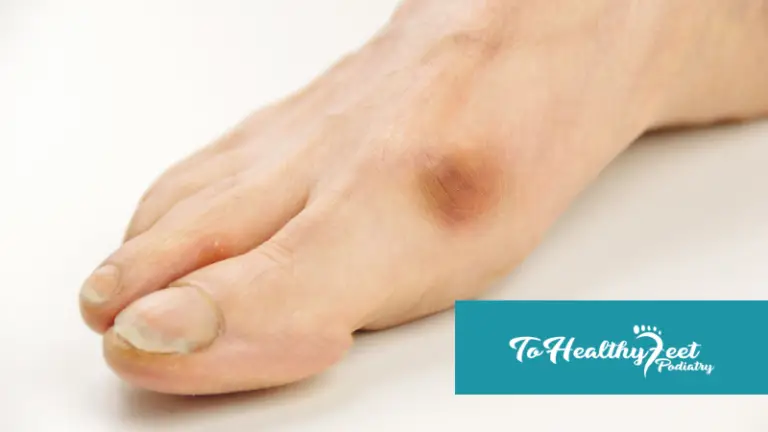
Morton’s neuroma develops when repetitive pressure, irritation, or compression causes thickening of the tissue surrounding an interdigital nerve in the forefoot. As the condition progresses, patients may experience burning pain, numbness, tingling, or the sensation of standing on a pebble inside the shoe. Symptoms often worsen when wearing tight footwear or participating in activities that place stress on the ball of the foot.
Because several foot conditions can mimic neuroma symptoms, an accurate diagnosis is essential before treatment begins. A comprehensive evaluation helps determine the severity of nerve involvement and identifies the most appropriate treatment strategy for long-term relief.
Conservative care is often the first line of treatment for early-stage and moderate neuromas. These approaches focus on reducing pressure on the affected nerve, improving foot mechanics, and controlling inflammation. Many patients experience significant improvement when non-surgical treatments are implemented consistently.
Treatment may include custom orthotics, footwear modifications with wider toe boxes, padding or offloading devices, activity adjustments, physical therapy, and anti-inflammatory medications. By addressing the factors contributing to nerve compression, conservative care can often relieve symptoms and slow progression without the need for procedural intervention.
Conservative care is often the first line of treatment for early-stage and moderate neuromas. These approaches focus on reducing pressure on the affected nerve, improving foot mechanics, and controlling inflammation. Many patients experience significant improvement when non-surgical treatments are implemented consistently.
Treatment may include custom orthotics, footwear modifications with wider toe boxes, padding or offloading devices, activity adjustments, physical therapy, and anti-inflammatory medications. By addressing the factors contributing to nerve compression, conservative care can often relieve symptoms and slow progression without the need for procedural intervention.
Several minimally invasive procedures may be used to manage Morton’s neuroma depending on the severity and location of the nerve irritation. These treatments aim to reduce pain signals, decrease nerve sensitivity, or relieve the pressure contributing to the condition.
Options may include ultrasound-guided alcohol injections, nerve decompression procedures, neurolysis, radiofrequency ablation, cryotherapy, or laser-based treatments. Each approach has unique advantages, and treatment selection is based on clinical findings and individual patient goals.
With four foot offices to serve you better, visit us at Grand Central, Downtown Manhattan, Upper East Side, or Times Square. Take the step towards healthy feet and book today!

Why Location Matters When Considering Foot Surgery Surgical decision-making involves more than selecting a…

Surgery Is Structural, Not Cosmetic Many patients underestimate the complexity of foot surgery. Procedures such…
What Is Minimally Invasive Foot Surgery? Minimally invasive foot surgery involves correcting structural…
Our award-winning podiatrists at 4 Manhattan locations treat every condition — from heel pain to minimally invasive surgery — with care plans built around your lifestyle and budget.
Available at all 4 NYC locations
Walk in, walk out — no general anesthesia
We handle the billing so you don't have to
As seen in Forbes & InStyle Magazine