
Footwear plays a bigger role in foot pain than most people realize, especially when it comes to Morton’s Neuroma. This painful condition, caused by a thickened nerve between the toes, is often aggravated by shoes that are too tight, too high, or lacking proper support. At To Healthy Feet Podiatry, we regularly see New Yorkers struggling with burning, tingling, or numbness in the ball of their foot, and in many cases, their shoes are part of the problem. If you’re experiencing symptoms of Morton’s Neuroma, early intervention and smart footwear choices can help. Contact To Healthy Feet Podiatry today to book an evaluation at one of our four convenient NYC locations.
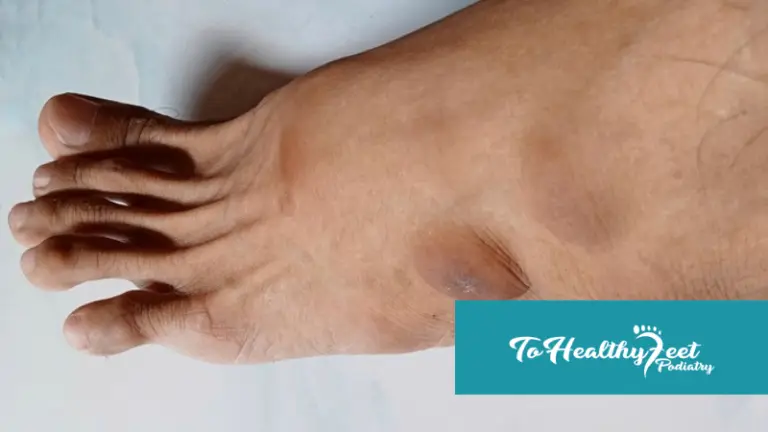
Morton’s neuroma occurs when repeated pressure causes irritation and thickening of the tissue surrounding a nerve in the forefoot. Every step places force through the metatarsal heads, and when footwear creates excessive compression in this area, the nerve can become increasingly inflamed over time.
Footwear that crowds the toes, alters natural foot mechanics, or concentrates pressure on the ball of the foot may accelerate symptom progression. Because most people spend many hours each day in shoes, even small footwear issues can have a significant cumulative effect on nerve health and overall foot comfort.
Symptoms often begin subtly and may only occur during prolonged walking, exercise, or while wearing certain types of shoes. As nerve irritation increases, symptoms typically become more frequent and more difficult to ignore.
Common signs include burning pain in the ball of the foot, tingling or numbness that radiates into the toes, sharp shooting sensations between the toes, and the feeling that there is a pebble or folded sock beneath the foot. Many patients notice that symptoms improve after removing their shoes, which often provides an important clue regarding the role of footwear in their condition.
Symptoms often begin subtly and may only occur during prolonged walking, exercise, or while wearing certain types of shoes. As nerve irritation increases, symptoms typically become more frequent and more difficult to ignore.
Common signs include burning pain in the ball of the foot, tingling or numbness that radiates into the toes, sharp shooting sensations between the toes, and the feeling that there is a pebble or folded sock beneath the foot. Many patients notice that symptoms improve after removing their shoes, which often provides an important clue regarding the role of footwear in their condition.
Arch support helps distribute body weight more evenly across the foot, reducing excessive pressure on the forefoot. Patients with flat feet, high arches, or biomechanical abnormalities often experience increased forefoot stress that may contribute to nerve irritation.
Supportive footwear and properly fitted orthotics can help improve alignment, enhance walking mechanics, and reduce repetitive forces that aggravate Morton’s neuroma. Addressing these biomechanical factors is often an important component of long-term symptom management.
With four foot offices to serve you better, visit us at Grand Central, Downtown Manhattan, Upper East Side, or Times Square. Take the step towards healthy feet and book today!

Why Location Matters When Considering Foot Surgery Surgical decision-making involves more than selecting a…

Surgery Is Structural, Not Cosmetic Many patients underestimate the complexity of foot surgery. Procedures such…
What Is Minimally Invasive Foot Surgery? Minimally invasive foot surgery involves correcting structural…
Our award-winning podiatrists at 4 Manhattan locations treat every condition — from heel pain to minimally invasive surgery — with care plans built around your lifestyle and budget.
Available at all 4 NYC locations
Walk in, walk out — no general anesthesia
We handle the billing so you don't have to
As seen in Forbes & InStyle Magazine