
Morton’s neuroma is a painful condition involving thickening and irritation of the nerve between the toes, most commonly between the third and fourth metatarsals. Patients often describe burning pain, tingling, numbness, or the sensation of walking on a pebble. Conservative treatments such as footwear modification, orthotics, padding, and corticosteroid injections may provide temporary relief. However, when symptoms persist, patients frequently explore surgical options.
Cryosurgery, also known as cryoablation or a neuroma freezing procedure, represents a minimally invasive alternative to traditional nerve excision. Rather than removing the nerve, cryosurgery uses controlled cold temperatures to disrupt pain signaling while preserving surrounding structures. For patients in NYC seeking a non traditional surgical option with potentially shorter recovery compared to open excision, understanding candidacy and expected outcomes is essential.
At To Healthy Feet Podiatry, evaluation includes imaging, gait assessment, and detailed symptom analysis before recommending cryosurgery for Morton’s neuroma. Not every patient is a candidate, and long-term symptom control depends on accurate diagnosis and biomechanical evaluation. Patients across Manhattan considering advanced neuroma treatment should seek expert consultation to determine whether a neuroma freezing procedure aligns with their pain pattern and activity goals. Contact our team to schedule a comprehensive neuroma assessment.
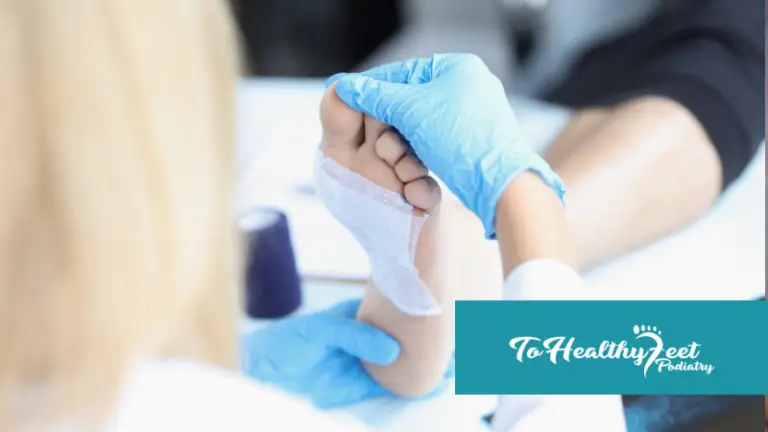
Morton’s neuroma develops when the interdigital nerve becomes irritated and thickened due to repetitive compression and forefoot pressure. Over time, chronic mechanical stress leads to nerve inflammation and fibrosis. This process can produce sharp, electric, or burning pain that radiates into the toes.
Common contributing factors include:
Conservative care aims to reduce mechanical stress on the nerve. However, when symptoms continue despite footwear adjustments and orthotic therapy, more advanced intervention may be considered.
Cryosurgery, sometimes referred to as a neuroma freezing procedure, uses controlled cold energy to target the affected nerve. Under imaging guidance, a specialized probe is inserted through a small incision to deliver low temperatures to the neuroma.
The cold application temporarily disrupts the nerve’s ability to transmit pain signals. Unlike traditional neuroma excision, the nerve is not surgically removed. The objective is to reduce pain while minimizing tissue disruption.
This minimally invasive technique is typically performed in an outpatient setting. Because the incision is small and soft tissue dissection is limited, recovery may differ from open surgical removal.
At To Healthy Feet Podiatry, cryosurgery for Morton’s neuroma in NYC is considered only after confirming the diagnosis through clinical evaluation and imaging when appropriate.
Traditional neuroma surgery involves excising the thickened portion of the nerve. While this can provide symptom relief, it also results in permanent numbness between the affected toes due to nerve removal.
Cryosurgery differs in several ways:
Because the nerve remains in place, cryosurgery may reduce the likelihood of certain complications associated with open excision, such as stump neuroma formation. However, it is important to understand that pain relief outcomes vary depending on nerve severity and mechanical stress patterns.
Patients seeking an alternative to traditional neuroma excision in Manhattan often inquire about cryoablation as a less invasive option.
Candidacy depends on symptom pattern, neuroma size, and response to conservative care. Patients may be appropriate candidates when they demonstrate:
Patients with severe deformities, extensive nerve enlargement, or multiple overlapping forefoot conditions may require different surgical planning.
At To Healthy Feet Podiatry, comprehensive neuroma consultation includes clinical testing, review of imaging when indicated, and evaluation of gait mechanics. Treatment recommendations are based on structural findings rather than preference alone.
Cryosurgery for Morton’s neuroma is typically performed in an outpatient setting. The procedure involves:
Most patients are able to bear weight shortly after the procedure in a protective shoe. Mild swelling and localized soreness are common in the early recovery period.
Recovery timelines vary, but many patients resume regular footwear within several weeks depending on symptom resolution and activity level. As with any procedure, outcomes depend on accurate diagnosis and adherence to postoperative guidance.
For individuals navigating daily walking demands in NYC, structured recovery planning is discussed during consultation to align with commuting and work schedules.
Cryosurgery addresses nerve pain, but it does not correct underlying biomechanical contributors such as metatarsal alignment or forefoot overload. Ongoing orthotic support or footwear modification may still be recommended to reduce recurrence risk.
Long-term symptom relief depends on:
At To Healthy Feet Podiatry, cryosurgery is integrated into a broader forefoot pain management strategy. The goal is not only to reduce nerve pain but to improve overall load distribution across the foot.
For patients hesitant about open neuroma excision, cryosurgery offers a minimally invasive option when clinically appropriate. It provides targeted pain interruption through controlled cold therapy while preserving surrounding tissue structure.
This approach is not universally indicated, and proper evaluation remains essential. Accurate diagnosis differentiates Morton’s neuroma from other causes of forefoot pain such as capsulitis, stress fractures, or metatarsalgia.
To Healthy Feet Podiatry offers comprehensive neuroma evaluation and advanced treatment planning across Manhattan. Patients can access care at To Healthy Feet Podiatry in Grand Central Midtown, Downtown Manhattan, Upper East Side, and Times Square. If persistent forefoot pain is limiting your mobility, schedule a consultation to determine whether cryosurgery for Morton’s neuroma is an appropriate option.
Cryosurgery for Morton’s neuroma is typically performed in an outpatient setting. The procedure involves:
Most patients are able to bear weight shortly after the procedure in a protective shoe. Mild swelling and localized soreness are common in the early recovery period.
Recovery timelines vary, but many patients resume regular footwear within several weeks depending on symptom resolution and activity level. As with any procedure, outcomes depend on accurate diagnosis and adherence to postoperative guidance.
For individuals navigating daily walking demands in NYC, structured recovery planning is discussed during consultation to align with commuting and work schedules.
Cryosurgery addresses nerve pain, but it does not correct underlying biomechanical contributors such as metatarsal alignment or forefoot overload. Ongoing orthotic support or footwear modification may still be recommended to reduce recurrence risk.
Long-term symptom relief depends on:
At To Healthy Feet Podiatry, cryosurgery is integrated into a broader forefoot pain management strategy. The goal is not only to reduce nerve pain but to improve overall load distribution across the foot.
For patients hesitant about open neuroma excision, cryosurgery offers a minimally invasive option when clinically appropriate. It provides targeted pain interruption through controlled cold therapy while preserving surrounding tissue structure.
This approach is not universally indicated, and proper evaluation remains essential. Accurate diagnosis differentiates Morton’s neuroma from other causes of forefoot pain such as capsulitis, stress fractures, or metatarsalgia.
To Healthy Feet Podiatry offers comprehensive neuroma evaluation and advanced treatment planning across Manhattan. Patients can access care at To Healthy Feet Podiatry in Grand Central Midtown, Downtown Manhattan, Upper East Side, and Times Square. If persistent forefoot pain is limiting your mobility, schedule a consultation to determine whether cryosurgery for Morton’s neuroma is an appropriate option.
Q: Is cryosurgery permanent for Morton’s neuroma?
A: Cryosurgery aims to disrupt nerve pain transmission, but long-term outcomes vary by patient. Some individuals experience sustained symptom relief, while others may require additional treatment if mechanical stress persists. The procedure does not remove the nerve, so ongoing foot mechanics play a role in durability. Proper evaluation and follow-up care are essential for long-term management.
Q: Will I have numbness after a neuroma freezing procedure?
A: Because the nerve is not excised, cryosurgery may reduce the likelihood of permanent numbness compared to traditional removal. However, temporary numbness or altered sensation can occur during healing. Sensory response varies depending on nerve size and degree of treatment.
Q: How soon can I return to normal activities after cryosurgery?
A: Most patients resume protected weight-bearing shortly after the procedure. Return to regular footwear and activity typically progresses over several weeks depending on symptom resolution and occupational demands. Individual recovery timelines are discussed during consultation based on lifestyle and walking requirements in NYC.
With four foot offices to serve you better, visit us at Grand Central, Downtown Manhattan, Upper East Side, or Times Square. Take the step towards healthy feet and book today!

Why Location Matters When Considering Foot Surgery Surgical decision-making involves more than selecting a…

Surgery Is Structural, Not Cosmetic Many patients underestimate the complexity of foot surgery. Procedures such…
What Is Minimally Invasive Foot Surgery? Minimally invasive foot surgery involves correcting structural…
Our award-winning podiatrists at 4 Manhattan locations treat every condition — from heel pain to minimally invasive surgery — with care plans built around your lifestyle and budget.
Available at all 4 NYC locations
Walk in, walk out — no general anesthesia
We handle the billing so you don't have to
As seen in Forbes & InStyle Magazine