
When foot pain progresses beyond conservative treatment, surgical correction may become part of the conversation. For residents of the Upper East Side, access to advanced minimally invasive foot surgery without leaving the neighborhood can make evaluation and recovery significantly more manageable. Whether addressing bunions, chronic plantar fasciitis, Morton’s neuroma, or other structural conditions, choosing a local podiatrist for Upper East Side surgery allows for continuity of care and convenient follow-up.
Minimally invasive techniques use small incisions and precision-guided instruments to correct structural problems while limiting soft tissue disruption. Recovery time varies depending on the condition treated, but many procedures are performed in-office with structured postoperative planning.
At To Healthy Feet Podiatry, patients receive individualized surgical evaluation based on imaging, biomechanics, and lifestyle demands. While the practice serves Manhattan neighborhoods Grand Central Midtown, Downtown Manhattan, Upper East Side, and Times Square, residents benefit from accessible advanced care close to home. If foot pain is interfering with your daily mobility, schedule a consultation with an Upper East Side foot surgeon to explore appropriate surgical options.

Surgical decision-making involves more than selecting a procedure. It also requires structured follow-up appointments, postoperative monitoring, and gradual activity progression.
For Upper East Side residents, proximity offers practical advantages:
In Manhattan, where walking is unavoidable, minimizing travel during recovery can support better outcomes.
Choosing a podiatrist Upper East Side surgery patients can access locally simplifies long-term care planning.
Not all foot conditions require large incisions or hospital-based surgery. When appropriate, small incision techniques may be used to address specific structural problems.
Bunions
Mild to moderate hallux valgus deformities may be corrected using minimally invasive osteotomy techniques. These approaches focus on realigning the first metatarsal while limiting soft tissue disruption.
Chronic Plantar Fasciitis
Patients who have failed physical therapy, orthotics, and injections may qualify for minimally invasive options such as ultrasonic debridement or endoscopic plantar fascia release.
Morton’s Neuroma
Persistent forefoot nerve pain may be addressed through minimally invasive procedures such as cryotherapy or small incision nerve intervention when conservative care fails.
Each diagnosis requires structured imaging and biomechanical assessment to determine candidacy.
Not all foot conditions require large incisions or hospital-based surgery. When appropriate, small incision techniques may be used to address specific structural problems.
Bunions
Mild to moderate hallux valgus deformities may be corrected using minimally invasive osteotomy techniques. These approaches focus on realigning the first metatarsal while limiting soft tissue disruption.
Chronic Plantar Fasciitis
Patients who have failed physical therapy, orthotics, and injections may qualify for minimally invasive options such as ultrasonic debridement or endoscopic plantar fascia release.
Morton’s Neuroma
Persistent forefoot nerve pain may be addressed through minimally invasive procedures such as cryotherapy or small incision nerve intervention when conservative care fails.
Each diagnosis requires structured imaging and biomechanical assessment to determine candidacy.
To Healthy Feet Podiatry provides advanced surgical care across Grand Central Midtown, Downtown Manhattan, Upper East Side, and Times Square. While this blog focuses on the Upper East Side location, patients have flexibility to schedule follow-up visits at the Manhattan office most convenient to their routine.
Local accessibility combined with modern minimally invasive technique selection supports structured recovery planning and continuity of care.
If you are searching for a podiatrist Upper East Side surgery patients trust for advanced minimally invasive correction, schedule a consultation to review your diagnosis and treatment options.
Q: Is minimally invasive foot surgery available at the Upper East Side location?
A: Yes. Eligible procedures are performed using precision-guided small incision techniques following comprehensive evaluation. Candidacy depends on deformity severity and tissue condition.
Q: How long is recovery after foot surgery on the Upper East Side?
A: Recovery varies depending on the condition treated. Many minimally invasive procedures involve protective footwear and gradual return to activity over several weeks. Your surgeon will provide individualized timelines.
Q: Do I need to travel to another Manhattan location for surgery?
A: Upper East Side patients can typically receive consultation and care locally. The practice also offers flexibility across other Manhattan locations if scheduling convenience requires it.
With four foot offices to serve you better, visit us at Grand Central, Downtown Manhattan, Upper East Side, or Times Square. Take the step towards healthy feet and book today!

Why Location Matters When Considering Foot Surgery Surgical decision-making involves more than selecting a…

Surgery Is Structural, Not Cosmetic Many patients underestimate the complexity of foot surgery. Procedures such…
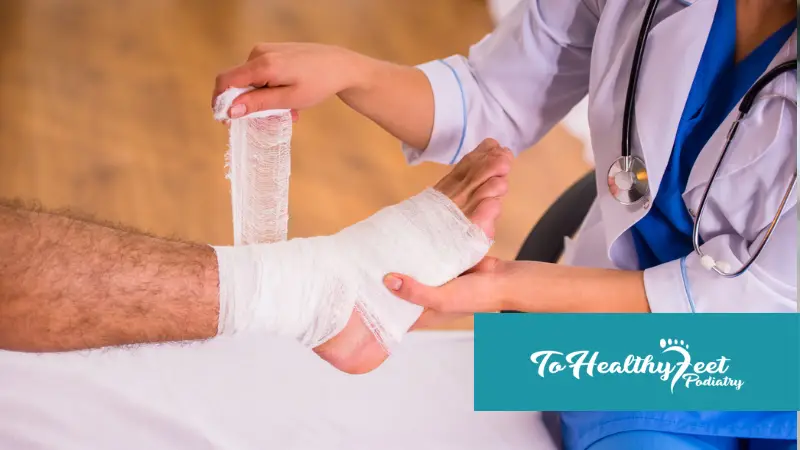
What Is Minimally Invasive Foot Surgery? Minimally invasive foot surgery involves correcting structural…
Our award-winning podiatrists at 4 Manhattan locations treat every condition — from heel pain to minimally invasive surgery — with care plans built around your lifestyle and budget.
Available at all 4 NYC locations
Walk in, walk out — no general anesthesia
We handle the billing so you don't have to
As seen in Forbes & InStyle Magazine