
Morton’s neuroma is a painful nerve condition that develops between the toes, most commonly in the ball of the foot. Symptoms often include burning, tingling, numbness, or the sensation of stepping on a small object. Because the condition is aggravated by walking and pressure, many patients experience worsening discomfort during daily activities, commuting, or exercise. When conservative treatment no longer controls symptoms, procedural intervention is often required to prevent ongoing nerve irritation and functional limitation.
Choosing between Morton’s neuroma surgery and cryosurgery requires clinical evaluation rather than trial and error. Podiatrists assess symptom duration, severity of nerve involvement, response to prior care, and how pain affects mobility. Patients are evaluated by the team at To Healthy Feet Podiatry across locations in Grand Central Midtown, Downtown Manhattan, Upper East Side, and Times Square, ensuring access to advanced neuroma care throughout NYC. Cryosurgery may offer effective relief with minimal downtime for appropriate candidates, while surgical excision may be recommended for more advanced cases. You do not have to live with nerve pain. A professional consultation helps determine which option offers the safest and most effective path forward. Contact our clinic to schedule an evaluation.
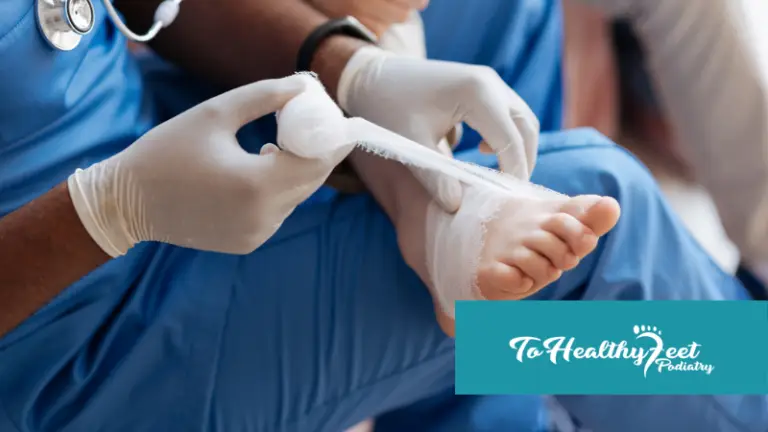
Morton’s neuroma develops when a nerve between the toes becomes irritated and thickened due to repetitive compression. The condition most commonly affects the area between the third and fourth toes, although other locations may also be involved. As irritation progresses, patients often experience burning pain, numbness, tingling, and the sensation of standing on a pebble inside the shoe.
Without treatment, symptoms frequently become more persistent and begin interfering with normal daily activities.
Diagnosis begins with a comprehensive evaluation of symptoms, footwear habits, activity levels, and medical history. During the physical examination, podiatrists assess tenderness, nerve irritation, and symptom reproduction through specific foot maneuvers. Imaging studies such as ultrasound or MRI may be used when necessary to confirm the diagnosis and evaluate the extent of nerve involvement.
Accurate diagnosis is essential because several forefoot conditions can mimic neuroma symptoms and require different treatment approaches.
Diagnosis begins with a comprehensive evaluation of symptoms, footwear habits, activity levels, and medical history. During the physical examination, podiatrists assess tenderness, nerve irritation, and symptom reproduction through specific foot maneuvers. Imaging studies such as ultrasound or MRI may be used when necessary to confirm the diagnosis and evaluate the extent of nerve involvement.
Accurate diagnosis is essential because several forefoot conditions can mimic neuroma symptoms and require different treatment approaches.
Recovery experiences vary between the two procedures. Cryosurgery generally allows earlier return to walking and normal daily activities because tissue disruption is limited. Traditional surgery may involve additional healing time due to the incision and nerve removal process.
Regardless of the chosen procedure, recovery plans are individualized to ensure proper healing while minimizing disruption to work and lifestyle demands.
With four foot offices to serve you better, visit us at Grand Central, Downtown Manhattan, Upper East Side, or Times Square. Take the step towards healthy feet and book today!
Why Location Matters When Considering Foot Surgery Surgical decision-making involves more than selecting a…
Surgery Is Structural, Not Cosmetic Many patients underestimate the complexity of foot surgery. Procedures such…
What Is Minimally Invasive Foot Surgery? Minimally invasive foot surgery involves correcting structural…
Our award-winning podiatrists at 4 Manhattan locations treat every condition — from heel pain to minimally invasive surgery — with care plans built around your lifestyle and budget.
Available at all 4 NYC locations
Walk in, walk out — no general anesthesia
We handle the billing so you don't have to
As seen in Forbes & InStyle Magazine