
Patients considering bunion surgery often focus on one central question: how long will recovery take? While bunion correction aims to relieve pain and restore alignment, healing occurs in predictable biological stages that require patience and structured aftercare. Bunion surgery recovery in NYC varies depending on deformity severity, surgical technique, fixation method, and individual health factors. Minimally invasive approaches may involve smaller incisions, but bone healing timelines remain consistent regardless of access size.
Bunion surgery downtime typically includes a period of protected weight-bearing, swelling management, gradual return to footwear, and progressive activity increases. For Manhattan patients who rely on walking, commuting, and stairs daily, realistic planning is essential. Early weight-bearing does not mean full recovery, and swelling may persist for several months as the forefoot adapts to corrected alignment.
At To Healthy Feet Podiatry, surgical planning includes detailed discussion of recovery pacing based on work demands, lifestyle, and foot structure. With locations across Grand Central Midtown, Downtown Manhattan, Upper East Side, and Times Square, patients receive structured postoperative guidance designed to protect alignment while restoring mobility safely. Schedule a consultation to discuss what your personalized bunion recovery timeline may look like.
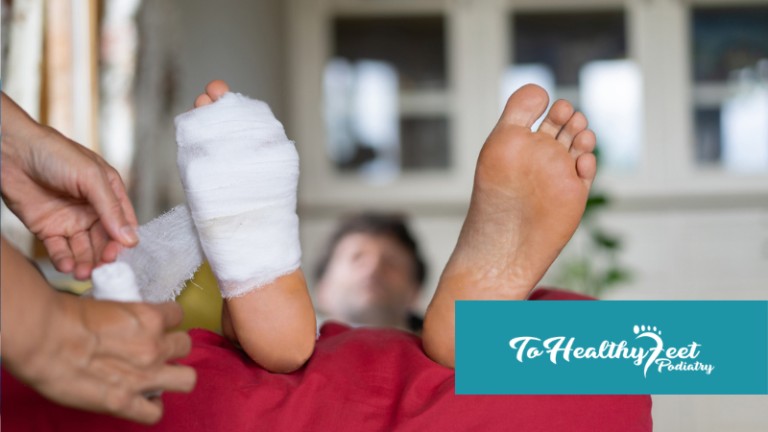
Immediately after bunion surgery, the focus is protecting the surgical correction. Patients typically leave in a surgical shoe or boot designed to reduce pressure on the forefoot.
During the first phase of bunion surgery recovery NYC patients may experience:
Elevation and reduced walking are strongly encouraged. In a city like New York, where daily steps accumulate quickly, arranging transportation and limiting unnecessary activity during this period can significantly improve comfort.
Sutures are generally removed within this early phase depending on the surgical approach. Incision healing occurs relatively quickly, but internal bone healing is still in its early stage.
As swelling begins to stabilize, many patients transition gradually toward supportive sneakers. Protected weight-bearing continues, but walking tolerance slowly improves.
Important considerations during this stage include:
Although patients often feel better at this point, the bone is still healing. Overloading the foot prematurely can increase inflammation and delay recovery.
For Manhattan professionals returning to work, desk-based roles may resume earlier than positions requiring prolonged standing. Individual timelines are discussed during follow-up visits at To Healthy Feet Podiatry.
By six to eight weeks, radiographic imaging may confirm continued bone healing. Many patients return to more regular footwear during this window, although high heels or narrow dress shoes should still be avoided.
Swelling remains common during bunion surgery downtime, particularly after long walking days. This is normal and does not necessarily indicate a complication.
Patients may notice:
Gradual return to exercise such as stationary cycling or light strength training may be allowed depending on progress.
Bone healing typically progresses significantly by three months, but soft tissue remodeling and swelling reduction continue beyond that timeframe.
During this phase:
NYC patients often find that by this stage they can resume most daily activities comfortably. However, prolonged walking or high-impact exercise may still produce temporary swelling.
Minimally invasive bunion surgery recovery NYC patients experience may involve smaller scars, but internal healing follows the same biological process as traditional techniques.
Recovery is not identical for every patient. Several variables influence bunion surgery downtime, including:
Patients with more advanced deformities may require additional stabilization, which can influence recovery pacing.
At To Healthy Feet Podiatry, preoperative evaluation includes discussion of these variables so expectations remain realistic.
New York City lifestyle presents unique recovery challenges. Staircases, subway platforms, and daily walking can increase postoperative inflammation.
Swelling management strategies include:
Planning ahead for work schedules, commuting routes, and home setup can significantly reduce unnecessary strain during recovery.
For patients concerned about appearance, incision healing progresses in stages. Early redness fades gradually over several months. Final scar maturation can take up to one year.
Scar appearance depends on:
While cosmetic improvement is important, maintaining proper bone alignment remains the primary surgical objective.
Although most bunion surgery recovery NYC patients experience is straightforward, certain symptoms warrant immediate evaluation:
Structured follow-up appointments allow monitoring of alignment and healing progress.
Patients actively considering bunion surgery benefit from understanding that bunion correction is a structural procedure, not a quick cosmetic fix. Early mobility does not equal complete healing. Patience during the first three months supports long-term stability.
At To Healthy Feet Podiatry, patients across Grand Central Midtown, Downtown Manhattan, Upper East Side, and Times Square receive individualized recovery planning that reflects their daily walking demands and professional responsibilities.
If bunion pain is interfering with your mobility or footwear choices, schedule a consultation to review your surgical options and discuss a realistic recovery timeline tailored to your lifestyle.
Recovery is not identical for every patient. Several variables influence bunion surgery downtime, including:
Patients with more advanced deformities may require additional stabilization, which can influence recovery pacing.
At To Healthy Feet Podiatry, preoperative evaluation includes discussion of these variables so expectations remain realistic.
New York City lifestyle presents unique recovery challenges. Staircases, subway platforms, and daily walking can increase postoperative inflammation.
Swelling management strategies include:
Planning ahead for work schedules, commuting routes, and home setup can significantly reduce unnecessary strain during recovery.
For patients concerned about appearance, incision healing progresses in stages. Early redness fades gradually over several months. Final scar maturation can take up to one year.
Scar appearance depends on:
While cosmetic improvement is important, maintaining proper bone alignment remains the primary surgical objective.
Although most bunion surgery recovery NYC patients experience is straightforward, certain symptoms warrant immediate evaluation:
Structured follow-up appointments allow monitoring of alignment and healing progress.
Patients actively considering bunion surgery benefit from understanding that bunion correction is a structural procedure, not a quick cosmetic fix. Early mobility does not equal complete healing. Patience during the first three months supports long-term stability.
At To Healthy Feet Podiatry, patients across Grand Central Midtown, Downtown Manhattan, Upper East Side, and Times Square receive individualized recovery planning that reflects their daily walking demands and professional responsibilities.
If bunion pain is interfering with your mobility or footwear choices, schedule a consultation to review your surgical options and discuss a realistic recovery timeline tailored to your lifestyle.
Q: How long is bunion surgery downtime?
A: Bunion surgery downtime varies by procedure and patient factors. Most individuals use a surgical shoe for several weeks and transition gradually into supportive footwear. Swelling may persist for several months. Full recovery can take three to six months depending on deformity severity and activity level.
Q: When can I return to work after bunion surgery?
A: Return-to-work timing depends on job demands. Desk-based roles may resume within a few weeks, while physically demanding positions requiring prolonged standing may require extended recovery time. Individual timelines are discussed during consultation.
Q: Is recovery faster with minimally invasive bunion surgery?
A: Minimally invasive techniques may reduce soft tissue disruption and scar size. However, bone healing timelines remain biologically consistent regardless of incision size. Surgical approach selection depends on deformity structure rather than recovery speed alone.
With four foot offices to serve you better, visit us at Grand Central, Downtown Manhattan, Upper East Side, or Times Square. Take the step towards healthy feet and book today!

Why Location Matters When Considering Foot Surgery Surgical decision-making involves more than selecting a…

Surgery Is Structural, Not Cosmetic Many patients underestimate the complexity of foot surgery. Procedures such…
What Is Minimally Invasive Foot Surgery? Minimally invasive foot surgery involves correcting structural…
Our award-winning podiatrists at 4 Manhattan locations treat every condition — from heel pain to minimally invasive surgery — with care plans built around your lifestyle and budget.
Available at all 4 NYC locations
Walk in, walk out — no general anesthesia
We handle the billing so you don't have to
As seen in Forbes & InStyle Magazine