
If you are experiencing pain, numbness, or tingling on the bottom of your foot between your toes, or the sensation of a small mass underneath your foot while walking, you may have Morton’s neuroma. If your podiatrist diagnoses Morton’s neuroma, it can be treated with steroid injections and anti-inflammatories to reduce the swelling and irritation of the nerve and minimize pain.
If this does not work, your podiatrist may recommend excision surgery or minimally invasive cryosurgery to treat Morton’s neuroma. Once treated the neuroma will be destroyed, however, it is possible for new nerves to form and become irritated. If you have been treated for Morton’s neuroma you are at greater risk of developing the condition again. So what can you do to prevent Morton’s neuroma?
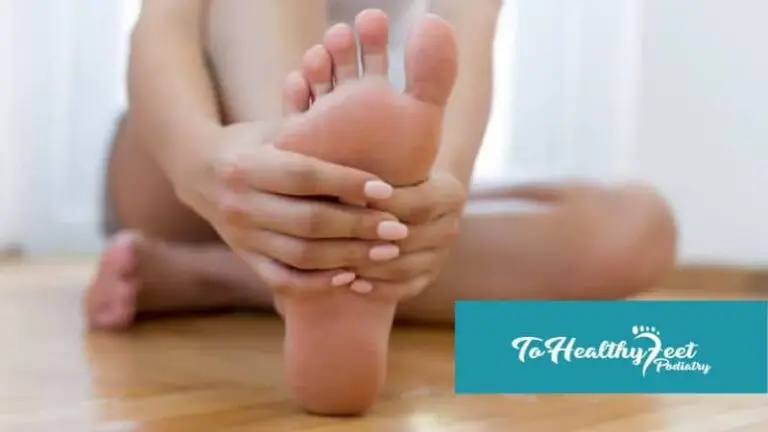
What Is Morton’s Neuroma?
Morton’s neuroma is an inflammation of the nerve between the metatarsal bones and the toes. This condition often presents as pain between the toes, numbness and tingling, or the sensation of a pebble beneath the foot. Approximately 1 in 3 Americans will develop Morton’s neuroma at some point and women are 8 to 10 times more likely to develop this neuroma. Without treatment, the pain can become more severe and impair mobility.
Morton’s neuroma is caused by a damaged or irritated nerve, usually between the third and fourth toes. Some causes of this nerve damage include:
How To Prevent Morton’s Neuroma
Sometimes a neuroma is unavoidable, but there are steps you can take to prevent Morton’s neuroma and the resulting nerve pain associated with this condition.
Choose The Right Footwear
Proper footwear can help you avoid developing Morton’s neuroma:
Adjust Your Workouts
In addition to choosing the correct footwear when participating in sports, you should also consider working with your coach or trainer to ensure proper form. Good form can ensure that you are not placing undue pressure on your foot and increasing your risk for Morton’s neuroma.
Maintain A Healthy Weight
Extra weight puts increased pressure on your feet and can increase your risk for Morton’s neuroma (and many other foot and ankle impairments).
Address Other Foot Concerns
Because other foot injuries and abnormalities can increase your risk of developing Morton’s neuroma, consult with your podiatrist to address known foot concerns such as bunions and hammertoes, flat feet, high arches, and overpronation. Your podiatrist can recommend custom orthotics or other treatment strategies to resolve these conditions and help prevent the development of neuromas.
If you are experiencing pain between your toes or in the ball of your foot you could have Morton’s Neuroma. Treatment options are available, but you can take steps to prevent new neuromas after successful surgical or non-surgical treatment. If you are suffering from pain or impaired movement due to Morton’s neuroma, the team of expert NYC podiatrists at To Healthy Feet in Manhattan can diagnose and customize a treatment plan to get you back on your feet.
If you are experiencing pain due to Morton’s neuroma or any other foot or ankle condition pain, call To Healthy Feet Podiatry at 1-917-398-3668 or fill out the contact form to book your appointment at our Upper East Side, Times Square, Midtown Grand Central, or Downtown Wall Street locations today.
If you are experiencing pain between your toes or in the ball of your foot you could have Morton’s Neuroma. Treatment options are available, but you can take steps to prevent new neuromas after successful surgical or non-surgical treatment. If you are suffering from pain or impaired movement due to Morton’s neuroma, the team of expert NYC podiatrists at To Healthy Feet in Manhattan can diagnose and customize a treatment plan to get you back on your feet.
If you are experiencing pain due to Morton’s neuroma or any other foot or ankle condition pain, call To Healthy Feet Podiatry at 1-917-398-3668 or fill out the contact form to book your appointment at our Upper East Side, Times Square, Midtown Grand Central, or Downtown Wall Street locations today.
Q: Will the neuroma come back after surgery?
A: No, the neuroma will be destroyed, however, it is possible for new nerves to form and become irritated.
Q: What shoes should I wear to avoid Morton’s neuroma pain?
A: If you have a neuroma you should avoid tight, narrow, or pointed shoes that put stress on the forefoot. These types of shoes can squeeze the bones near the neuroma closer together and cause pain.
Q: How long does cryosurgery for Morton’s neuroma take?
A: This procedure is incredibly fast, typically just 20 minutes, it does not require general anesthesia, and you will likely be able to resume your normal activities in just a few days. Learn more about the option to treat your Morton’s neuroma with minimally invasive surgery here.
With four foot offices to serve you better, visit us at Grand Central, Downtown Manhattan, Upper East Side, or Times Square. Take the step towards healthy feet and book today!

Why Location Matters When Considering Foot Surgery Surgical decision-making involves more than selecting a…

Surgery Is Structural, Not Cosmetic Many patients underestimate the complexity of foot surgery. Procedures such…

What Is Minimally Invasive Foot Surgery? Minimally invasive foot surgery involves correcting structural…
Our award-winning podiatrists at 4 Manhattan locations treat every condition — from heel pain to minimally invasive surgery — with care plans built around your lifestyle and budget.
Available at all 4 NYC locations
Walk in, walk out — no general anesthesia
We handle the billing so you don't have to
As seen in Forbes & InStyle Magazine